EscarGrow
The first snail-based composting and harvesting system.
Patent-pending. A 2026 EarthShot Prize nominee.

Who is EscarGrow for?
Educators: A living STEM lab your classroom cannot replicate. 23 educators have already requested units.
Institutions and municipalities: A food waste diversion system that generates revenue instead of tipping fees.
Gardeners and chefs: Use the soil amendment in your garden and harvest fresh escargot and caviar.
Pet owners: Raise your snails in the safety of sealed system
How it works
EscarGrow turns clean, pre-consumer plant scraps and the system's own organic byproducts into three outputs: escargot (protein), snail mucin (a skincare and pharmaceutical input), and biofertilizer (soil amendment).
Food-scrap diversion happens through the system's composting cycle — by feeding selected scraps directly to the animals.
STEP 1: The Input
We begin by identifying what institutions already have and are paying to discard.
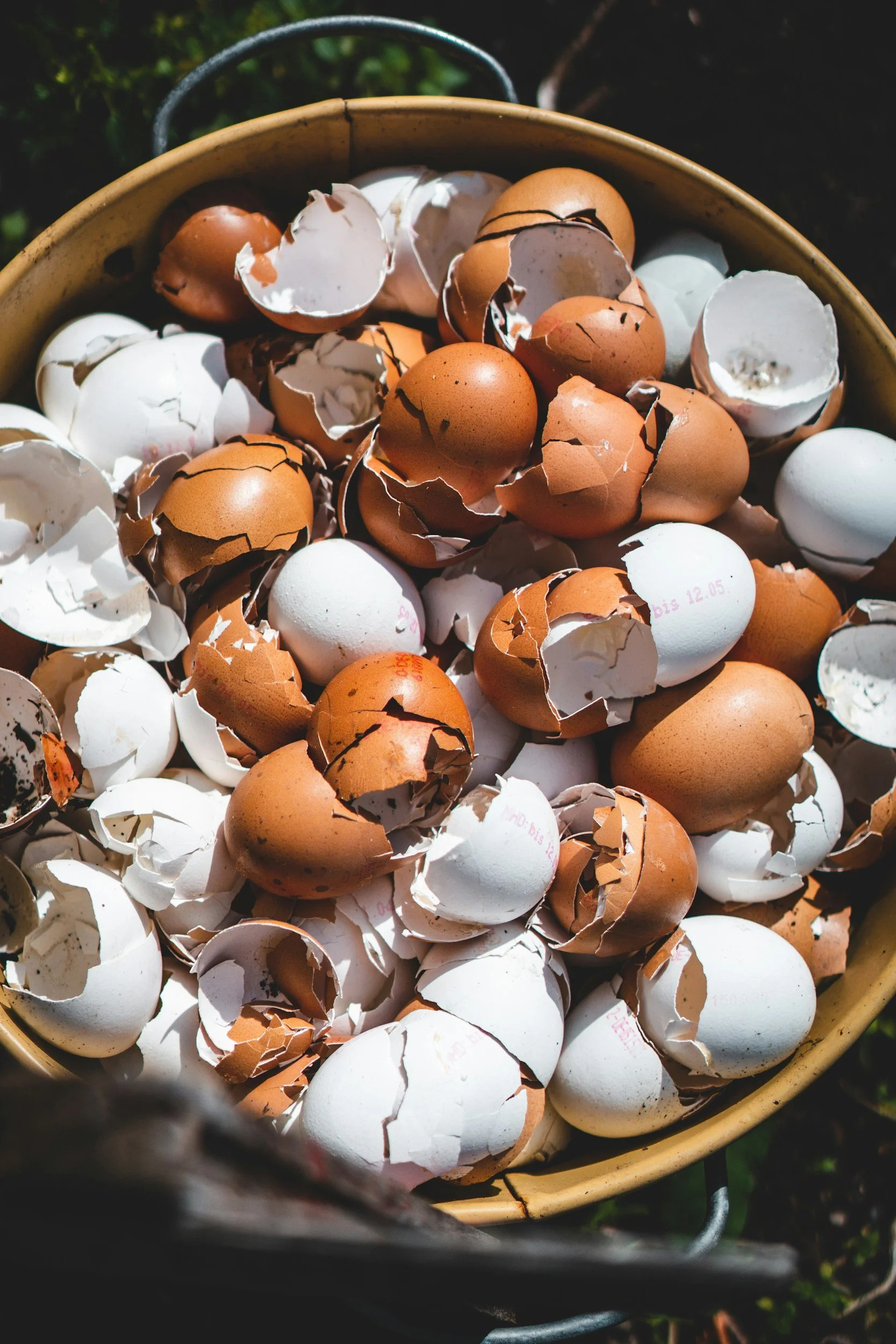
The system is designed to divert clean, pre-consumer, plant scraps (trim and produce culls from kitchens and food operations), keeping usable organic material out of landfills.
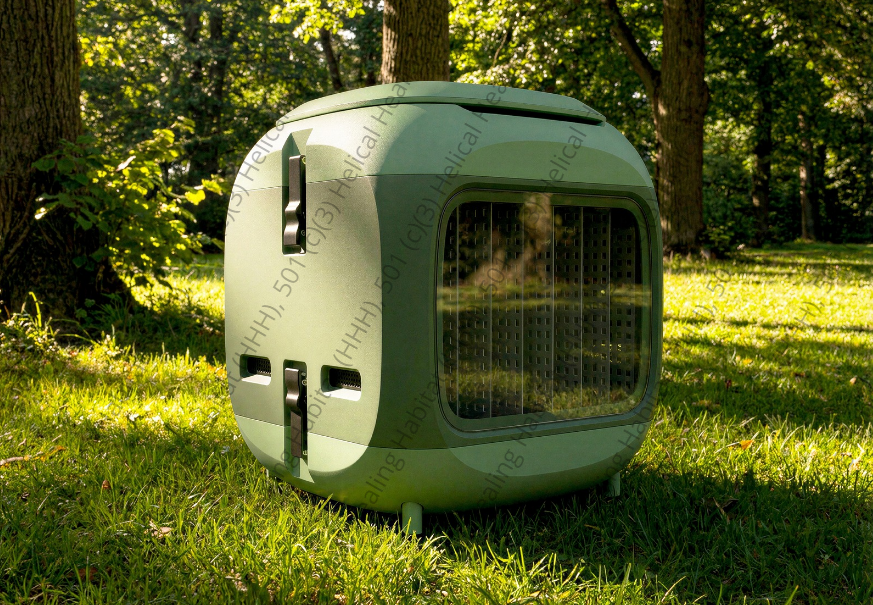
EscarGrow Mini
STEP 2: The biological engine
Inside each EscarGrow hub, snails convert organic feedstock into biomass with a feed conversion ratio of approximately 1.5:1 — meaning 1.5 lbs of organic input produces 1 lb of snail biomass. For comparison, cattle require roughly 6 lbs of feed per pound of beef.
The MyEscarGrow IoT platform monitors the system continuously — tracking feeding cycles, growth rates, waste inputs, and system health. All data is logged and available to operators and partner institutions in real time.
STEP 3: The triple yield
Each EscarGrow hub produces three distinct outputs, all of which remain in the local economy.
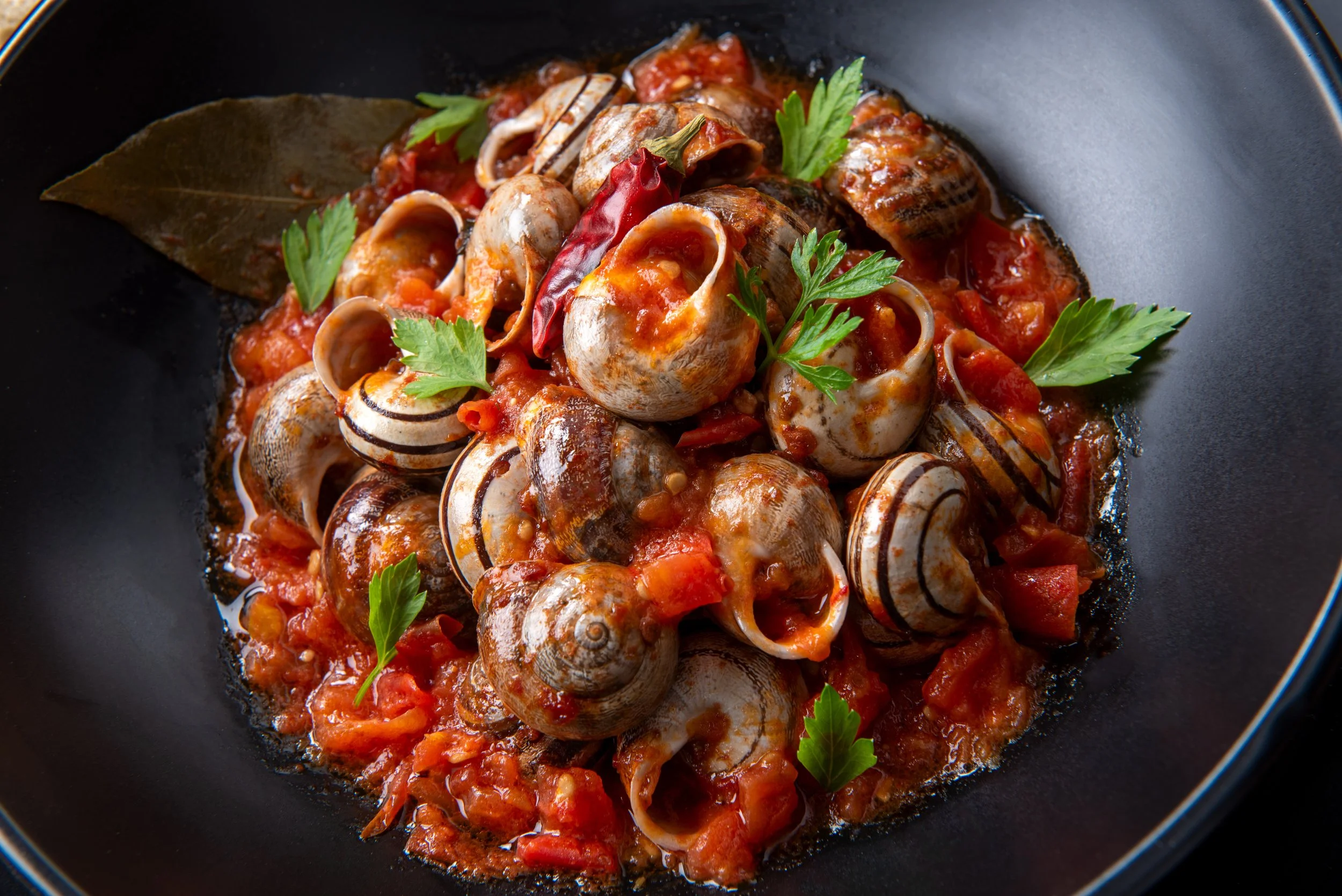
Bio-assets:
Gourmet protein: escargot and caviar
Mucin: for personal care and pharmaceutical applications.

Natural fertilizer: Snail frass is a nitrogen-rich organic fertilizer.
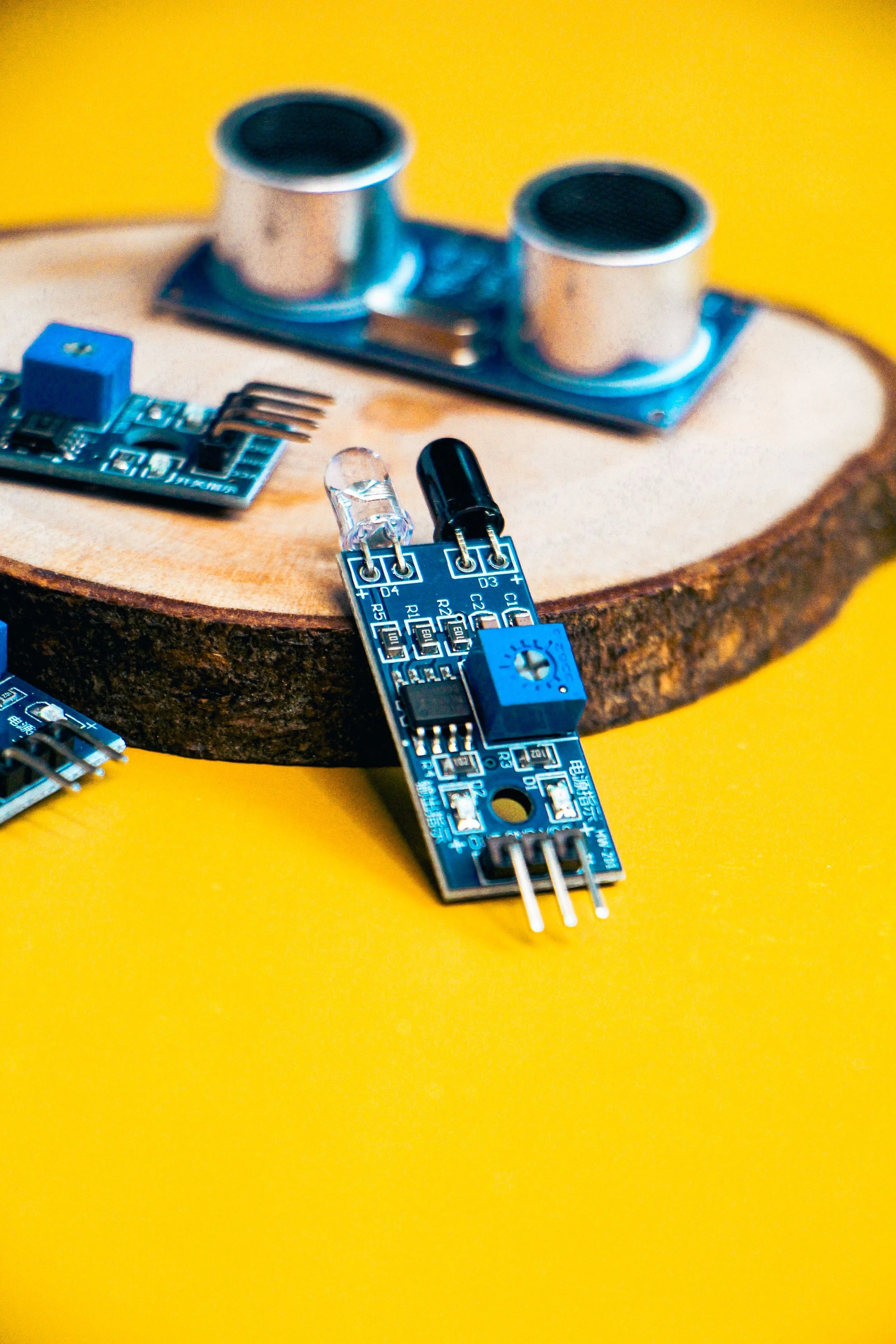
Real data: The MyEscarGrow platform generates a record of waste diverted, methane avoided, and thermal energy recovered. This data supports ESG reporting, sustainability compliance, and (as we build toward third-party verification protocols) carbon-credit documentation.
STEP 4: Community resilience
The system's design principle is localization. Protein production, soil amendment, and climate data generation happen at the site where the waste was created — shortening the supply chain and retaining economic value within the community.
We train local operators including students, women, and workers in under-resourced communities to manage operations as skilled technicians. This creates a workforce capable of running the infrastructure of a circular food system: reading biological data, managing living systems, and maintaining the documentation that makes climate assets bankable.
A network of small, resilient, locally operated production nodes that function independently of centralized supply chains and long-distance logistics.
"You never change things by fighting the existing reality. To change something, build a new model that makes the existing model obsolete."
—Buckminster Fuller