
Our Mission
Our goals
01
Decentralize regenerative infrastructure
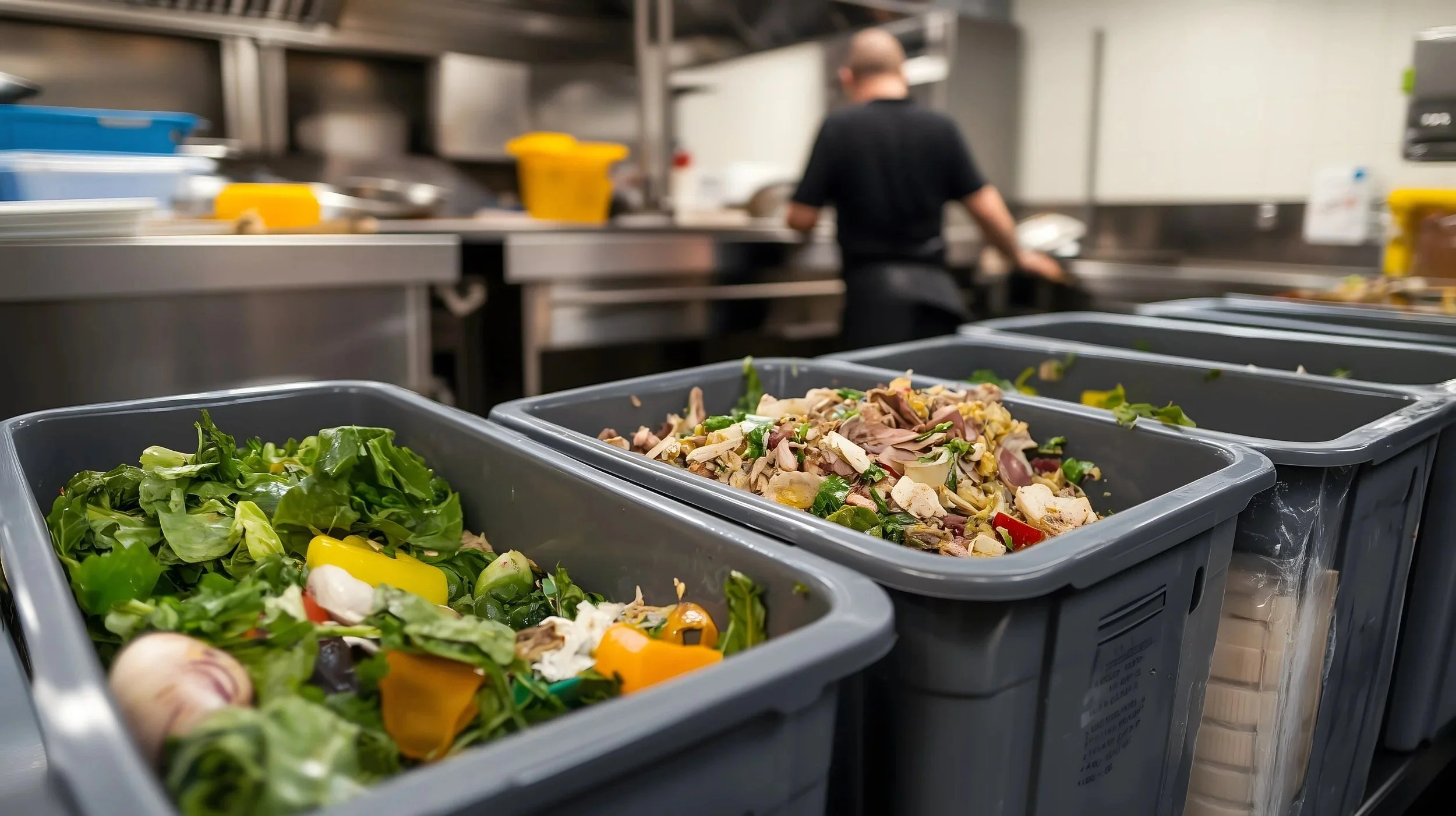
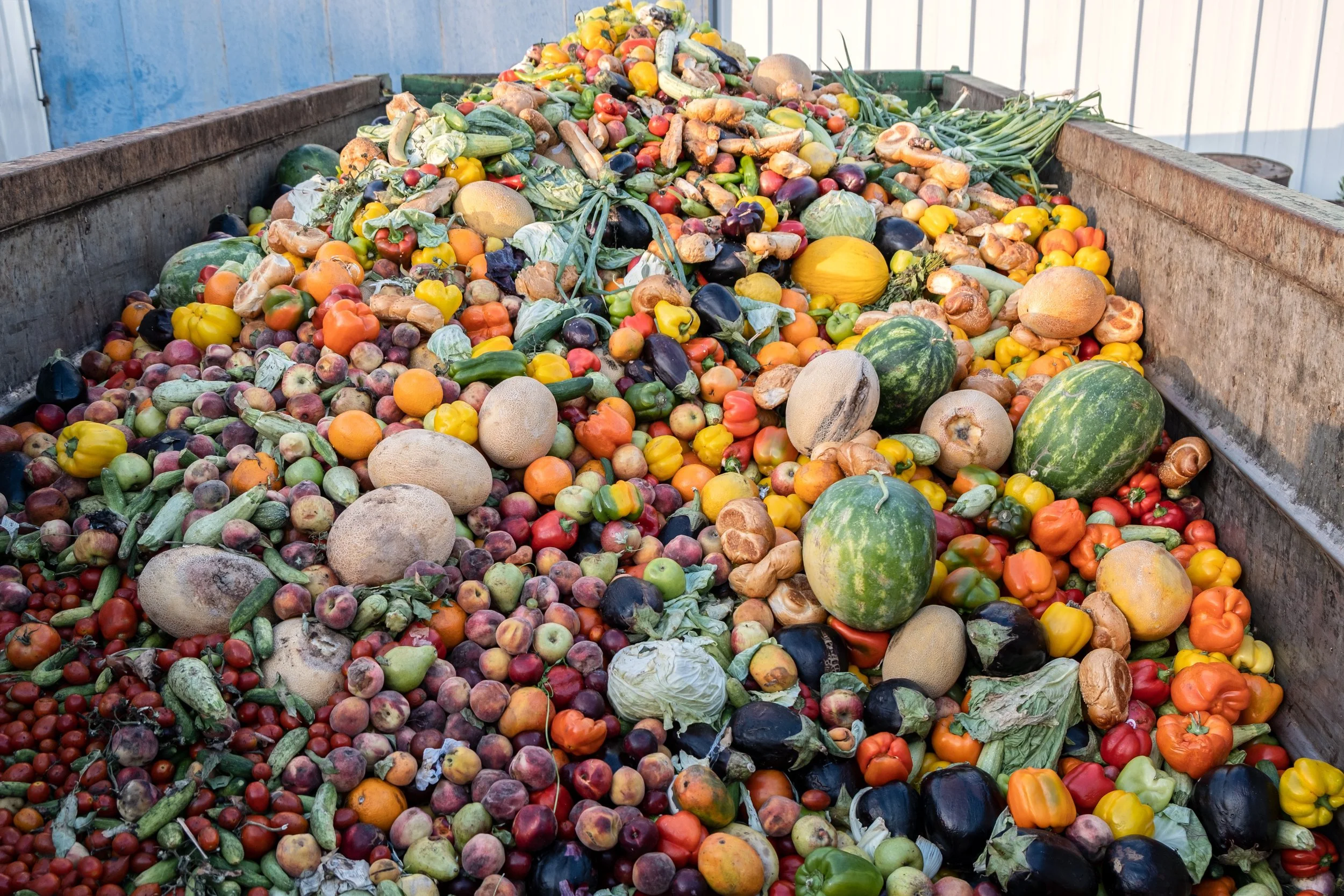
By integrating nature-based bioconversion directly into schools, hotels, and restaurants, we transform massive quantities of pre-consumer food waste into carbon-negative protein and nitrogen-rich soil amendments at the source. We aim to defuse the "methane bomb" by treating waste as a localized asset rather than a municipal liability.
02
Bridge the Value Capture gap via IoT
We leverage industrial IoT and AI to turn biological processes into transparent, bankable metrics. By tracking every pound of waste diverted and every gram of protein harvested, we provide institutions with the verified data required for regulatory compliance (e.g., SB 1383) and provide students with a high-fidelity, gamified STEM curriculum.
03
Seed Community-Owned Bio-Economies
Be clear, be confident, and don’t overthink it. The beauty of your story is that it’s going to continue to evolve and your site can evolve with it. Your goal should be to make it feel right for right now. The latter will take care of itself. It always does.
How it all started
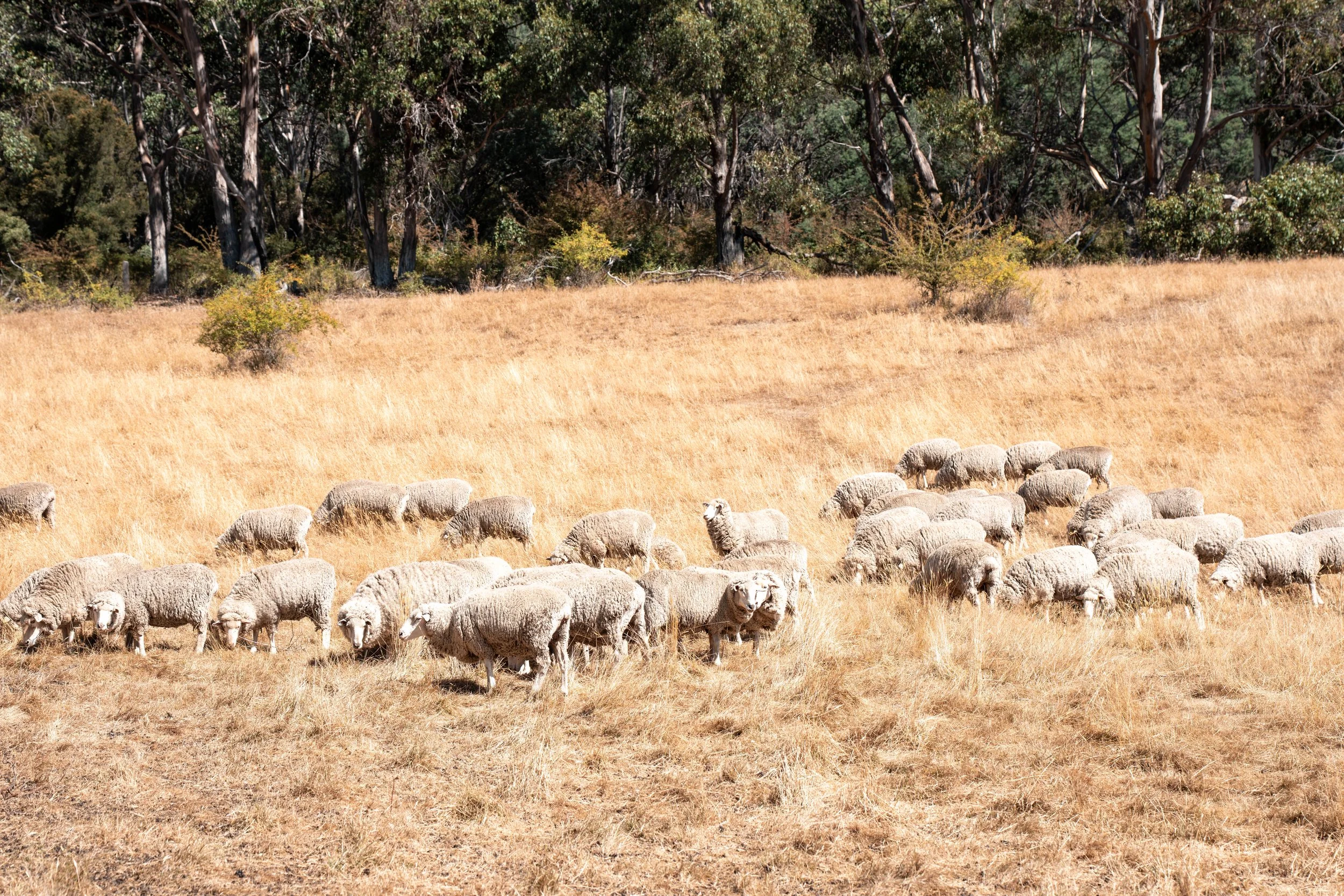
The rapid acceleration of climate change has rendered traditional agriculture increasingly volatile, as shifting precipitation patterns, extreme thermal stress, and soil degradation destabilize global food security. These systemic disruptions have transformed high-emission, centralized livestock production into a precarious liability, leaving a critical void in the supply of reliable, nutrient-dense nutrition.
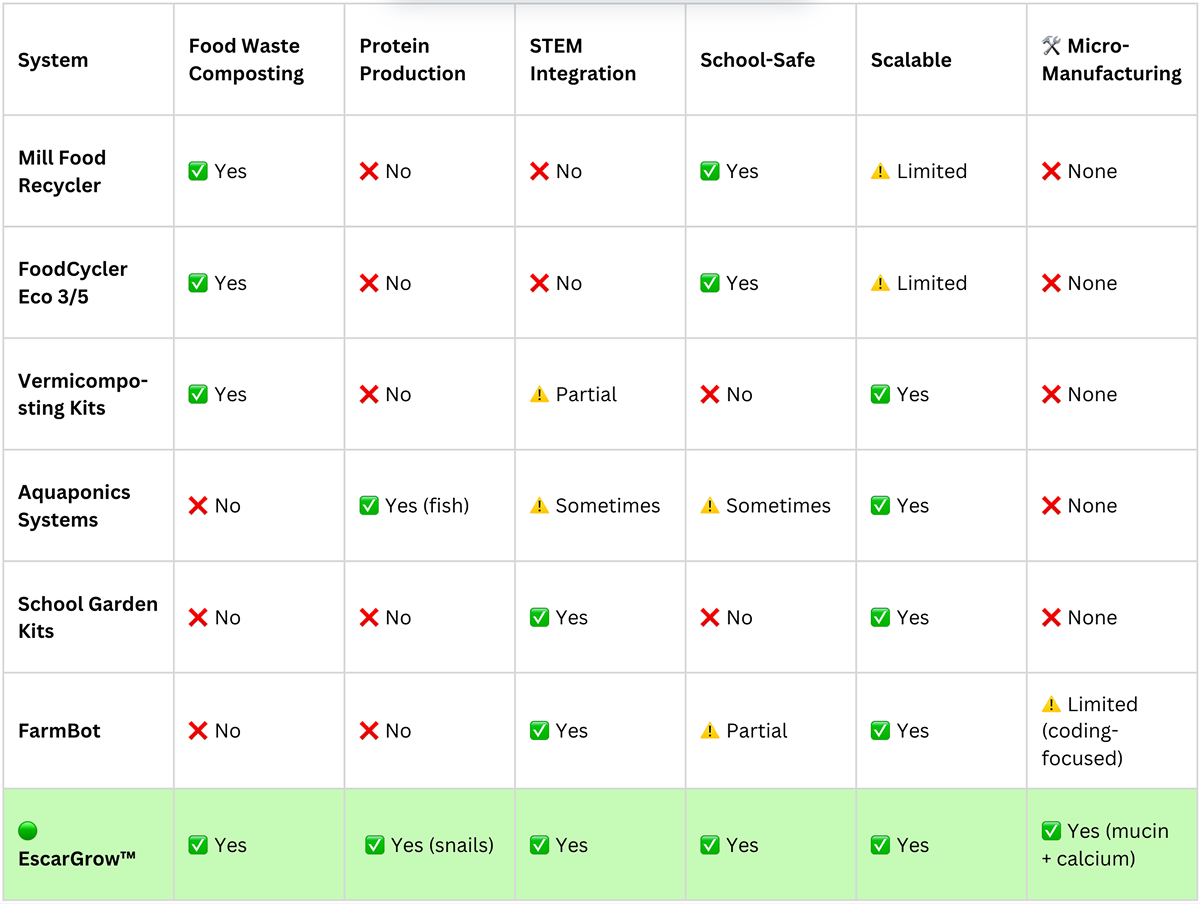
Our flagship innovation, EscarGrow™, is engineered to bridge this gap. By deploying decentralized, nature-based bioreactors that thrive independently of external climate shocks, we provide a localized and climate-resilient path toward sustainable protein production, ensuring food sovereignty even as traditional landscapes shift.
Standards and values
At Helical Healing Habitat, we believe the climate crisis is a result of systems that moved too fast, extracted too much, and broke the very cycles that sustain life. In 2026, our ethics are not just a statement of intent; they are a managerial architecture for repair.
-
This is the guiding tension of HHH. In a climate emergency, the instinct is to move fast, but HHH argues that "fast" is what created the crisis.
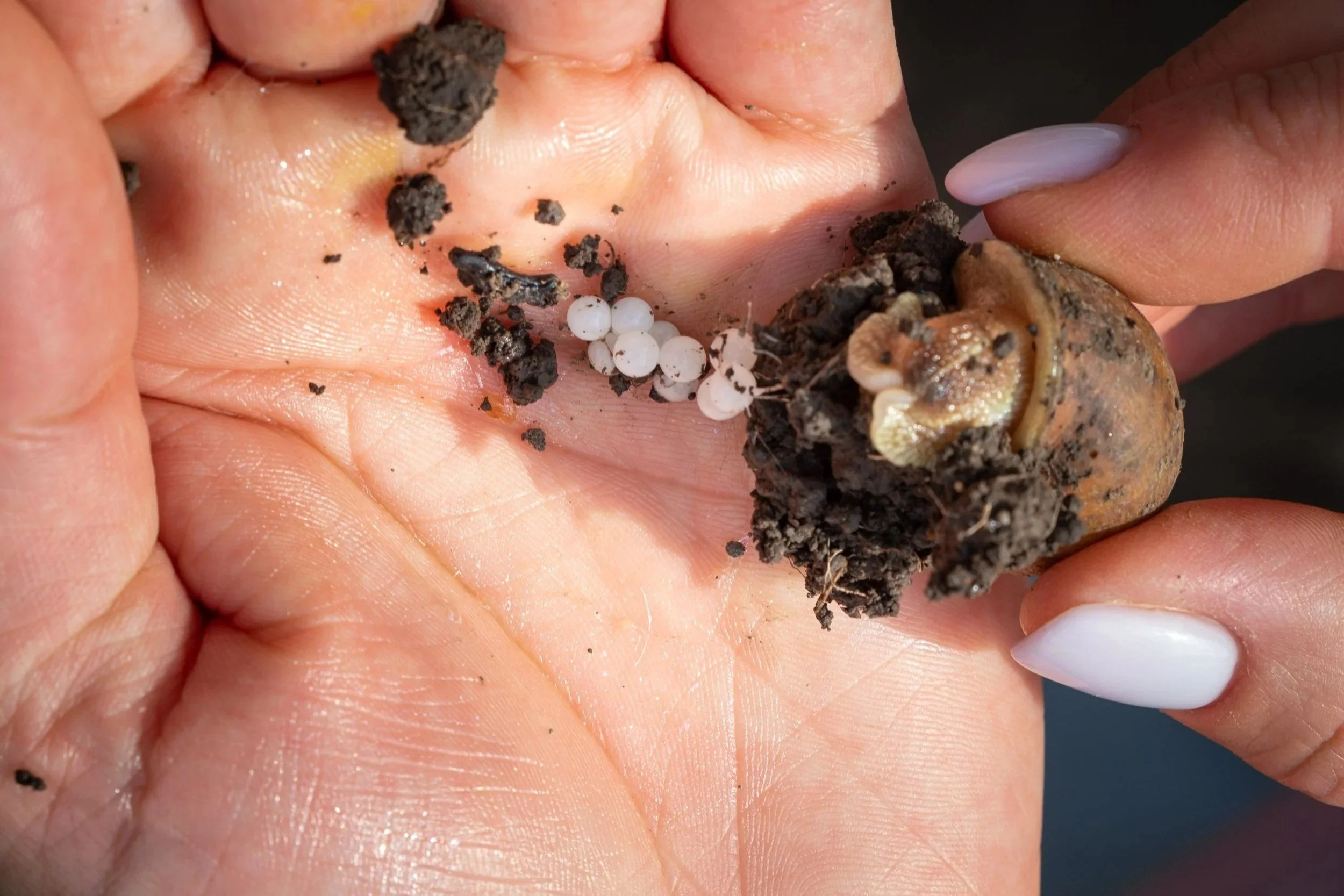
Biological Pacing: We respect the literal pace of the snail. Soil regeneration cannot be "disrupted"; it must be nurtured. We build systems that match the rhythm of the ecosystems they serve.
Repair Over Replacement: Our goal isn't to build a new empire, but to fix the broken value capture gap in existing communities. We iterate slowly to ensure that our technology (EscarGrow™) actually solves the problem without creating new waste streams.
-
HHH does not view climate technology as a neutral tool. We view it as a redistributive mechanism.
Frontline Ownership: We do not "gift" technology; we seed community-owned systems. Our standard of success is when a Title I school or a neighborhood hub owns the economic power generated by their food waste.
Women-Led Innovation: We center the expertise of women caregivers and educators(those who have historically performed the "invisible labor" of community maintenance) as the primary designers of our systems.
-
We hold a high standard for technical transparency. Every physical action must have a verifiable digital twin.
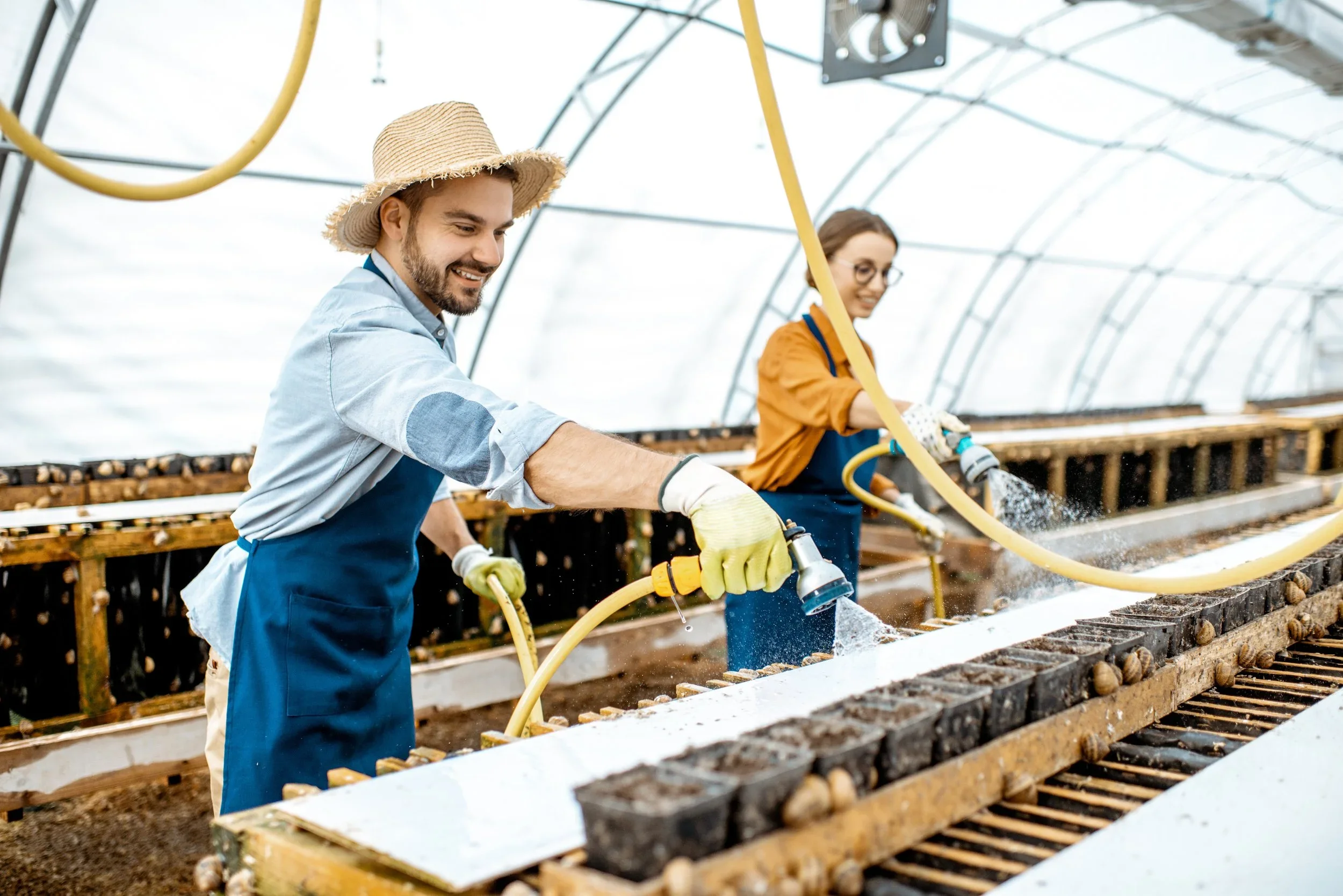
Hardware Integrity: The EscarGrow™ unit is a sealed, IoT-enabled bioreactor designed for the rigorous safety standards of a professional kitchen or a public school.
Digital Accountability: The MyEscarGrow App acts as the "digital nervous system." It tracks harvests, education outcomes, and methane mitigation, providing the auditable climate data.
-
We refuse the concept of "waste." In the HHH universe, every byproduct is a potential asset.
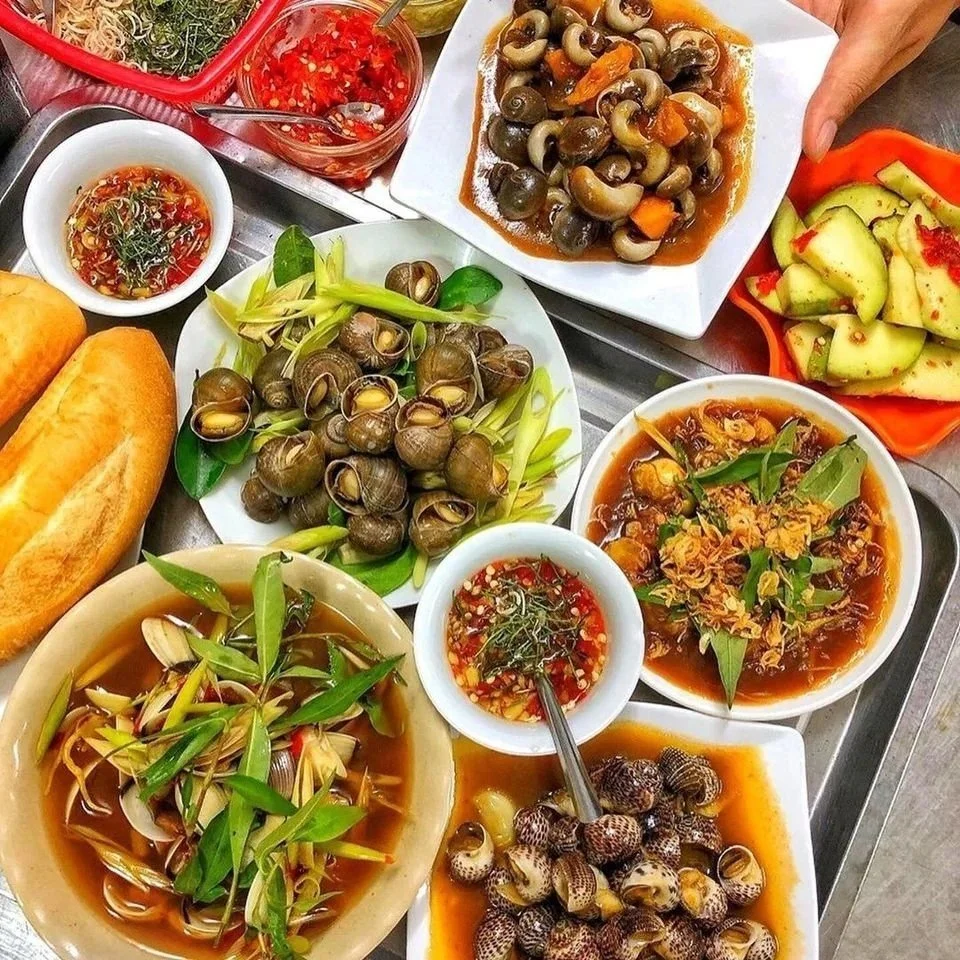
The "Whole-Snail" Ethos: Just as we use every part of the cycle (pre-consumer food waste → snail → soil), we seek to extract maximum value for the community, from pharmaceutical-grade mucin to nutrient-dense protein.
Localized Resilience: We value the hyper-local. Our goal is to shorten supply chains until they fit within a city block, moving land out of speculation and into long-term, regenerative stewardship.
-
HHH targets the "Massive Producers" of pre-consumer waste (schools, restaurants, and hotels) to maximize impact where the waste is most concentrated.
Schools as Hubs: We turn Title I schools from food-service endpoints in into STEM-centered Bio-Cycle Hubs. Students aren't just consumers; they are the operators of the circular economy.
Hospitality & Service: We provide hotels, grocers, and restaurants with a "behind-the-meter" solution to waste mandates (like CA SB 1383). This allows them to onsite-process their waste, eliminating the carbon footprint of hauling while producing premium ingredients for their own kitchens or spas.